A patient on a weight-loss journey starts noticing more hair falling out in the shower, on their pillow, and in their brush.
Their first question: “Is this from my GLP-1?”
That question deserves a careful answer. Hair shedding during weight loss can involve medication considerations, rapid metabolic change, nutritional status, hormonal factors, stress response, and the timing of the hair growth cycle.
The key is not to stop at the first assumption.
When patients blame GLP-1 regimen right away, they may miss other factors worth discussing: how quickly weight loss occurred, whether nutrient intake changed, what else shifted in their health history, and where their follicles may be in the growth cycle.
Watch the Webinar: GLP-1 Weight Loss, Hair Shedding, and Provider-Led Hair Health Support
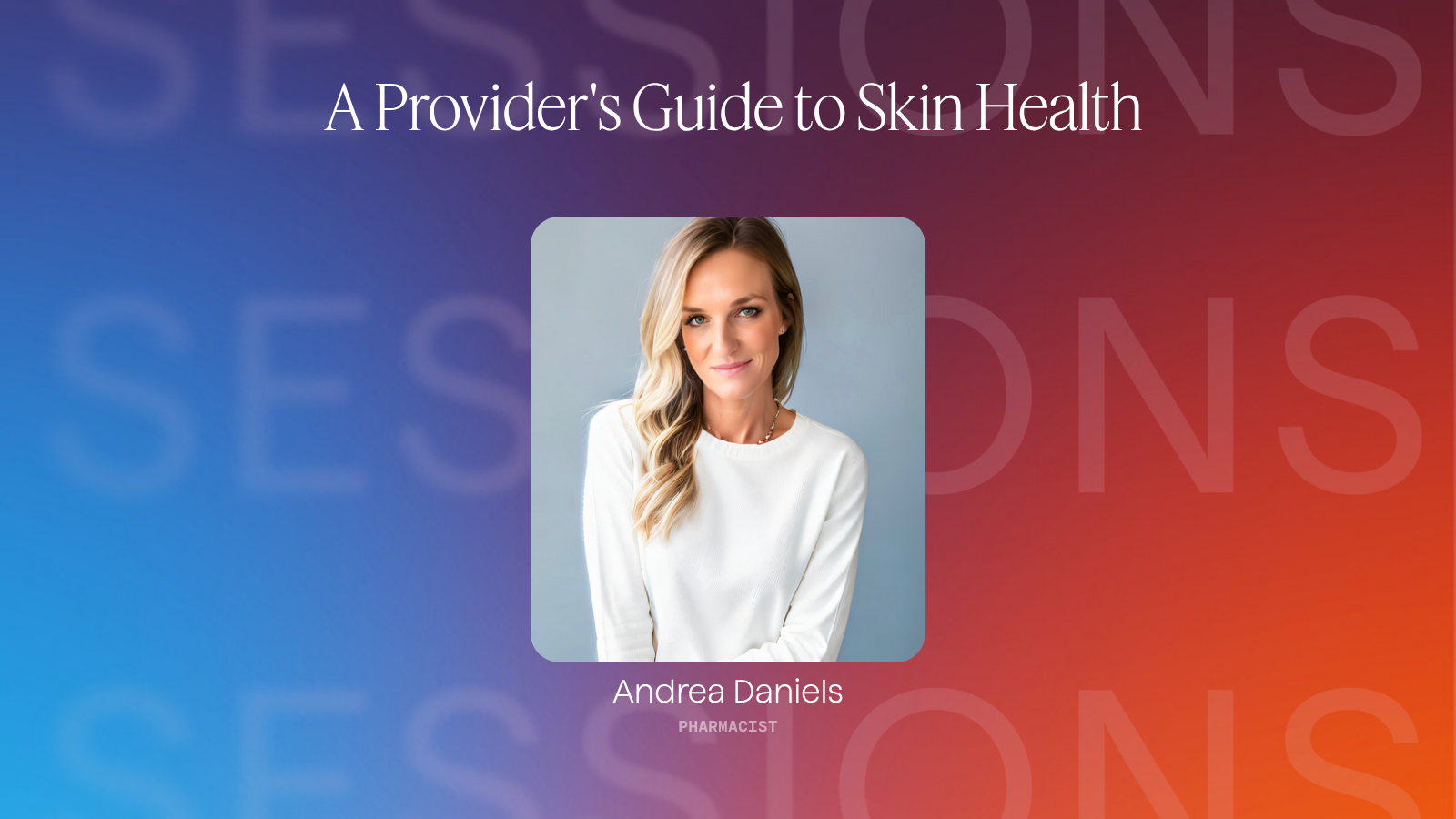
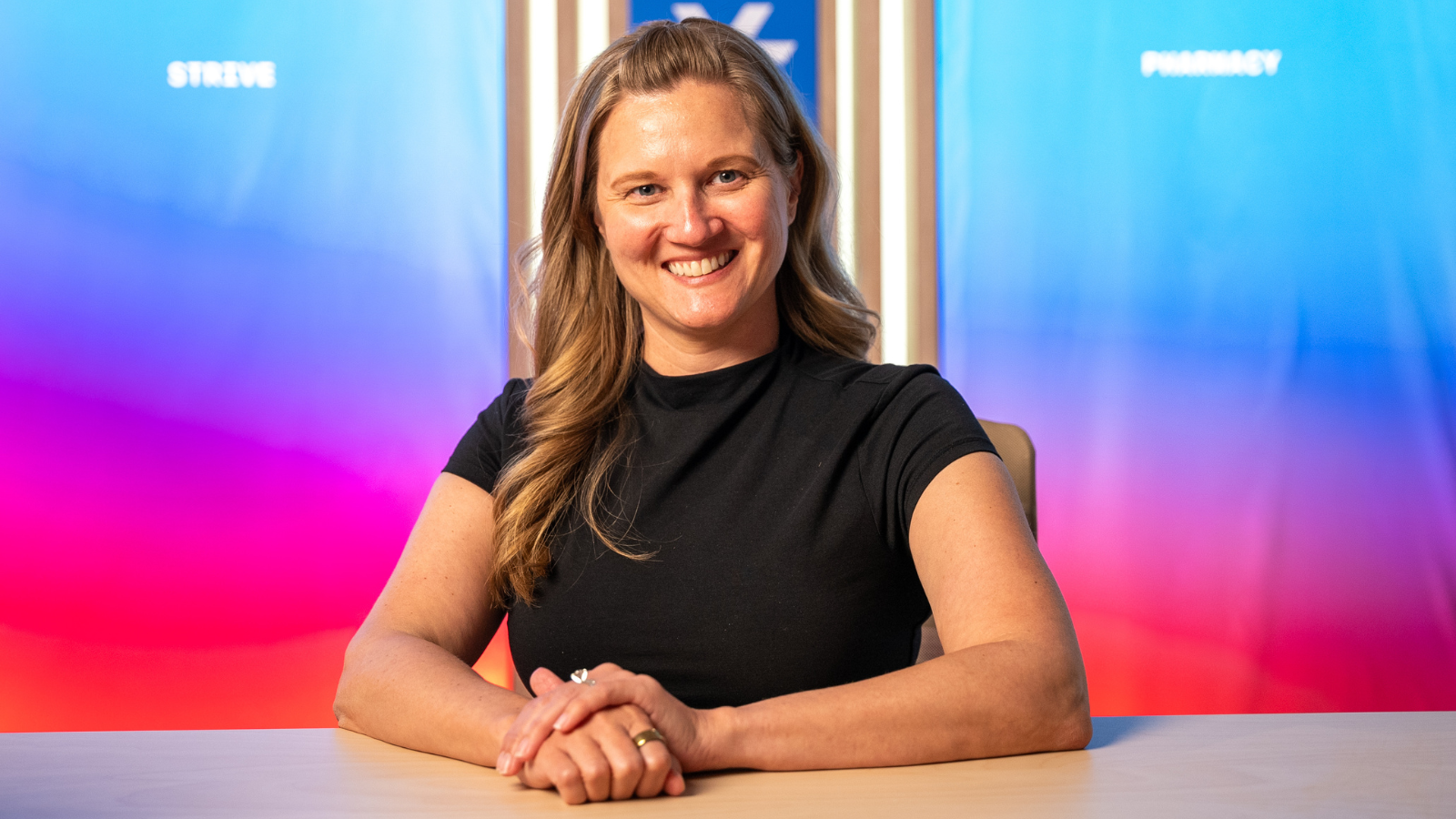
Andrea Daniels, PharmD, breaks down hair loss alongside GLP-1s and weight loss—including why shedding may not always mean what patients think, how the hair growth cycle shapes timing, and where patient-specific conversations may fit.
The key clinical considerations include GLP-1 weight loss, telogen effluvium, underlying factors evaluation, nutritional status, and hair-health support.
Supporting Hair Health Starts with Understanding How Hair Grows
Hair follicles move through distinct phases: active growth, transition, rest, and shedding. These phases matter because they shape when shedding shows up and how patients interpret it.
Shedding does not always show up right away. It may appear weeks or months after a trigger, then continue before patients feel the pattern is stabilizing.
Understanding the hair growth cycle helps clinicians frame where support fits the clinical picture. Is the conversation focused on the active growth phase? Scalp health? Nutritional status? Hormonal or androgen-related contributors?
The starting point is the patient’s timeline, history, and likely trigger.
Why Rapid Weight Loss Can Trigger Hair Shedding
“It’s not necessarily the medication causing it, it’s the weight loss.”
— Andrea Daniels, PharmD
Hair shedding has become a recurring conversation for clinicians supporting patients through GLP-1 weight management.
Patients may blame the medication first. Clinicians should look wider.
During rapid weight loss, the body may enter a stress response that can shift more follicles into the resting phase, a pattern commonly associated with telogen effluvium. That means shedding may not always reflect direct medication intolerance. It may reflect the physiological consequences of rapid weight change, reduced nutrient intake, or both.
This can be especially relevant for patients experiencing significant weight reduction over a short period of time. In those cases, the body may prioritize essential metabolic functions while temporarily disrupting normal hair cycling.
Instead of stopping at “the medication is causing hair loss,” prescribers can look at weight-loss pace, nutritional status, stress response, medication history, lifestyle context, and the expected timeline for shedding and hair-cycle changes.
Hair Loss During GLP-1 Weight Management: Looking Beyond One Cause
Hair loss does not reward one-size-fits-all thinking.
The same complaint—“my hair is falling out”—can point to very different clinical pathways. Before choosing a support strategy, consider whether the patient’s shedding is connected to:
- Androgenic alopecia
- Hormonal changes
- Nutritional deficiencies
- Thyroid dysfunction
- Autoimmune conditions
- Medication-related factors
- Physiological stress
- Recent illness
- Lifestyle factors
- Rapid weight loss
Identifying the likely contributor matters because different patients may need different conversations, monitoring plans, and support considerations. A patient with androgen-related thinning needs a different clinical discussion than a patient experiencing temporary shedding after rapid weight loss. A patient with nutritional deficiencies needs different considerations than a patient with inflammation or scalp health concerns.
The goal is patient-specific decision-making with the right clinical context.
Hair-Loss Support Strategies: Matching Pathways to Patient Needs
Hair-health conversations often touch several systems at once: biology, nutrition, hormones, timing, and patient experience.
Patients often want a quick answer or a single product recommendation. But the starting point is usually the timeline: What changed? When did shedding begin? How quickly did weight loss occur? What else changed around the same time?
The practical question is: which pathway best fits this patient’s presentation?
For some patients, nutritional status may be an important consideration, particularly during active weight loss. For others, androgen-related mechanisms may be relevant. In some cases, scalp health, follicular environment, or combination support may deserve closer consideration.
Product selection comes later. First comes the pathway: what is most likely driving the patient’s shedding?
Nutritional Support for Hair Shedding During Weight Loss
Nutritional status may be relevant for patients experiencing active weight loss, reduced intake, or dietary changes that may affect nutrient availability. In those conversations, nutrition-focused support can be part of the broader hair-health picture.
Hair Force One is Strive’s once-daily vitamin blend for vibrant hair care — a “Follicle Fuel” consideration for patients whose hair-health goals may overlap with nutritional status. It gives prescribers another way to discuss underlying factors within an individualized care plan.
Patient history, current medications, nutritional status, monitoring, follow-up, and appropriate use all belong in that conversation.
Patient Counseling for Hair Shedding During Weight Loss
Timelines are one of the most important parts of the hair-health conversation.
Patients want the shedding to stop quickly. Hair usually doesn’t work that way. The timeline matters, and so does helping patients understand what may still be part of the normal cycle.
That does not automatically mean the clinical approach should be abandoned prematurely. It may reflect where the follicles are in the growth cycle. Some follicles may already be in the resting phase and still need to move through the shedding phase before the cycle continues.
When patients understand the possible delay between trigger and shedding, the hair growth cycle, and the role of monitoring and follow-up, they may be better prepared for individualized timelines and realistic expectations.
Join the Next Strive Session: Upcoming Provider Education Webinar
Want the next conversation live? Join an upcoming Strive Session for fresh provider education, practical clinical context, and timely discussion around topics showing up in patient care.
Register for the next Strive Sessions webinar and bring the questions you’re hearing in practice.
Our Most-Watched Strive Sessions for Providers
Providers and clinic teams are also tuning in to these Strive Sessions around personalized care, operational workflows, and evolving provider education.
Sermorelin Webinar
A deeper look at how sermorelin works, how it differs from other HGH approaches, formulations available through Strive, and important warnings and precautions providers should understand when evaluating patient-specific care options.
NAD+ Webinar
A practical discussion covering NAD+, cellular energy metabolism, age-related NAD+ decline, available precursors through Strive, and current provider conversations around supporting healthy NAD+ levels.
LifeFile Webinar
A step-by-step walkthrough designed for providers who want to navigate LifeFile more confidently, including prescription workflows, custom patient-specific orders, provider portal tools, invoicing, order sets, and operational efficiencies for growing practices.
Disclaimer:
Compounded medications are specially prepared for individual patient needs based on a valid prescription and, as such, are not reviewed or approved by the U.S. Food and Drug Administration (FDA) for safety or efficacy. These statements have not been evaluated by the FDA. The information provided herein is for informational and educational purposes only and is not intended as a substitute for professional medical advice, diagnosis, or treatment. Certain medications may interact with your current prescription medications, supplements, or medical conditions. The potential benefits highlighted in this video apply to the specific ingredients, and may not necessarily apply to a combination of those ingredients.